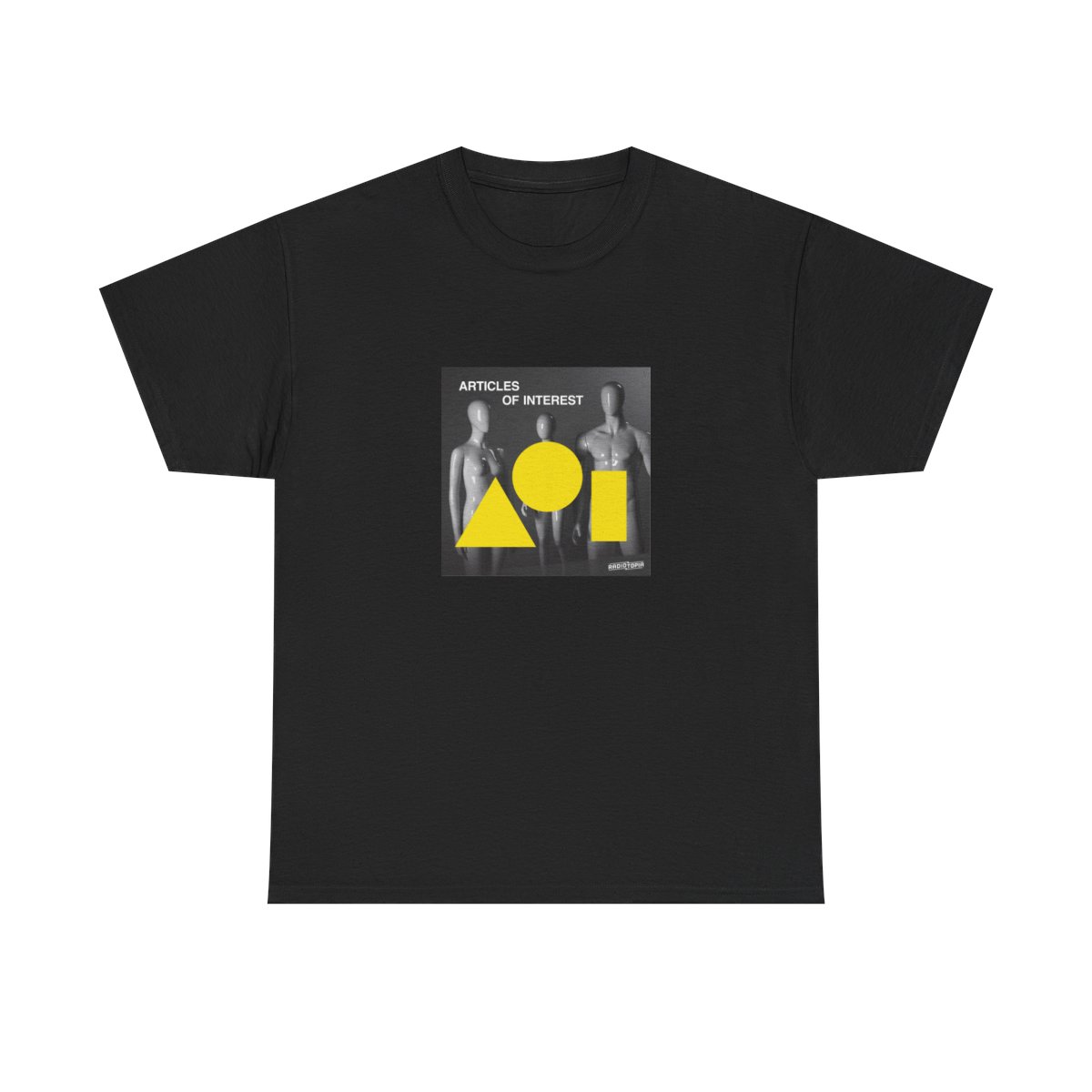
Ever wondered why the best podcast merch feels like it belongs in a museum, not just your closet? For fans of Articles of Interest, that’s exactly the point. Each piece is a wearable footnote to Avery Trufelman’s deep dives into fashion history. But how did the show’s esoteric topics become tangible products? Let me walk you through the Articles of Interest merch design story from concept to closet.
Before we dig in, here’s a quick cheat sheet to help you choose your perfect piece.
| Product/Pick | Best For | Key Feature | Price Range |
|---|---|---|---|
| Pattern Drafting Tee | History buffs | Vintage grid print | $32 - $36 |
| Mood Board Tote | Daily carry | 100% organic cotton canvas | $28 - $32 |
| Sample Piece Hoodie | Premium layering | Garment-dyed french terry | $65 - $70 |
| Silhouette Study Cap | Active listeners | Embroidered side panel | $25 - $28 |
From podcast to product: the design journey
Translating an audio experience into visual design isn’t straightforward. When I work with creators on merch, the first question is always: What visual language already exists in the show? For Articles of Interest, the answer lies in its meticulous research and the aesthetic of mid-century pattern drafting manuals.
The research phase
I spent hours revisiting episodes like “The Suit” and “The Trench.” The team pulled reference images from the show’s Instagram and behind-the-scenes notes. We zeroed in on three visual motifs: technical garment illustrations, textile swatch borders, and hand-drawn typography reminiscent of vintage sewing patterns.
From sketch to sample
\- Week 1: 20 initial sketches narrowed to 6 concepts. \- Week 2: Digital mockups with Pantone references for garment-dye colors. \- Week 3: Sample production on three fabric weights (4.3 oz jersey, 6.5 oz french terry, 8 oz canvas). \- Week 4: Wear-testing with a panel of 12 podcast listeners.
The final selection includes the Pattern Drafting apparel collection (a grid of dashed lines and curve rulers) and the Mood Board Tote (a collage of textile swatch edges).
Fashion history references you might recognize
If you’ve listened to the show, you’ll spot Easter eggs. The Silhouette Study explore our hats & caps features a line from the 1947 “New Look” silhouette chart. The Sample Piece check out articles of interest merch store hoodie’s sleeve graphic reproduces a 1920s textile swatch from the show’s episode on synthetics.
Three designs that hide deep cuts
1. Pattern Drafting check out articles of interest merch store tee: The grid is modeled after The Cutter’s Practical Guide (1900s). Look closely and you’ll see the notches that match sleeve cap measurements. 2. Mood Board Tote: One corner shows a faded see all posters & wall art of a 1950s Dior bar jacket silhouette. It’s part of a larger collage of fashion plates. 3. Silhouette Study Cap: The embroidery traces the hourglass shape from Christian Dior’s 1947 collection. It’s subtle enough that only fellow fashion nerds will catch it.
Why the minimalist look suits dedicated listeners
Articles of Interest isn’t a flashy show. It’s thoughtful, layered, and rewards repeat listening. The merch mirrors that. Minimalist design lets the details speak for themselves. Wear it, and you signal an appreciation for hidden histories - not loud logos.
The psychology of quiet branding
In my 10 years in POD, I’ve seen a shift away from bold graphics toward subtle, inside-baseball designs. This merch works for everyday wear because it doesn’t scream “podcast.” It whispers. The monochrome palette and clean lines mean it pairs with anything. A listener told me, “It looks like a brand I’d buy anyway - until someone asks and I get to explain the reference.”
Caring for your merch to keep it looking great
These pieces are meant to last, but print-on-demand garments need specific care. Cotton jersey (the tee) can shrink up to 5% if you blast it with hot water. French terry (the hoodie) pills less if you wash inside out. Canvas totes soften over time but maintain shape if you line dry.
Quick care rules
\- Tees and hoodies: Wash cold, tumble dry low, remove promptly. \- Tote: Spot clean with mild soap; machine wash gentle only if necessary. \- Cap: Hand wash, reshape, air dry. Avoid bleach. \- All prints: Turn garments inside out before washing to protect the ink.
I’ve tested these routines personally. The Pattern Drafting Tee still looks crisp after 20+ washes. The key is low heat. Agitation and high temperatures are the enemies of garment-dyed colors.
Frequently asked questions
What’s the fit like?
The tees and hoodies are cut for a relaxed, unisex fit. Refer to the size chart for chest and length measurements. Most customers order their usual size for a true fit or size up for an oversized look.Are designs based on actual historical garments?
Yes - each graphic is adapted from primary sources like pattern drafting manuals, fashion plates, and textile archives from the 1900s to 1950s. The team researched these references while developing the merch.How is the fabric sourced?
We use 100% organic cotton for all apparel. The fabric is grown without synthetic pesticides and sourced from mills with fair labor certification. The tees are 4.3 oz for breathability; hoodies are 6.5 oz for warmth without bulk.Can I wash the tote bag?
Yes, but limit machine washing. Spot cleaning preserves the canvas texture and print longevity. If you machine wash, use cold water and line dry. Avoid bleach or fabric softener.Is there a size guide?
Yes - each product page includes a detailed size chart with chest width, body length, and sleeve length. For help, visit our Contact page and we’ll respond within 24 hours.Key takeaways
\- The merch draws directly from fashion history sources featured on Articles of Interest episodes. \- Minimalist design makes the pieces wearable everyday while rewarding attentive listeners with hidden details. \- Proper care (cold wash, low heat, inside out) extends print and fabric life significantly. \- The Pattern Drafting Tee and Mood Board Tote are the best entry points for new buyers. \- All products are made with 100% organic cotton from certified mills.