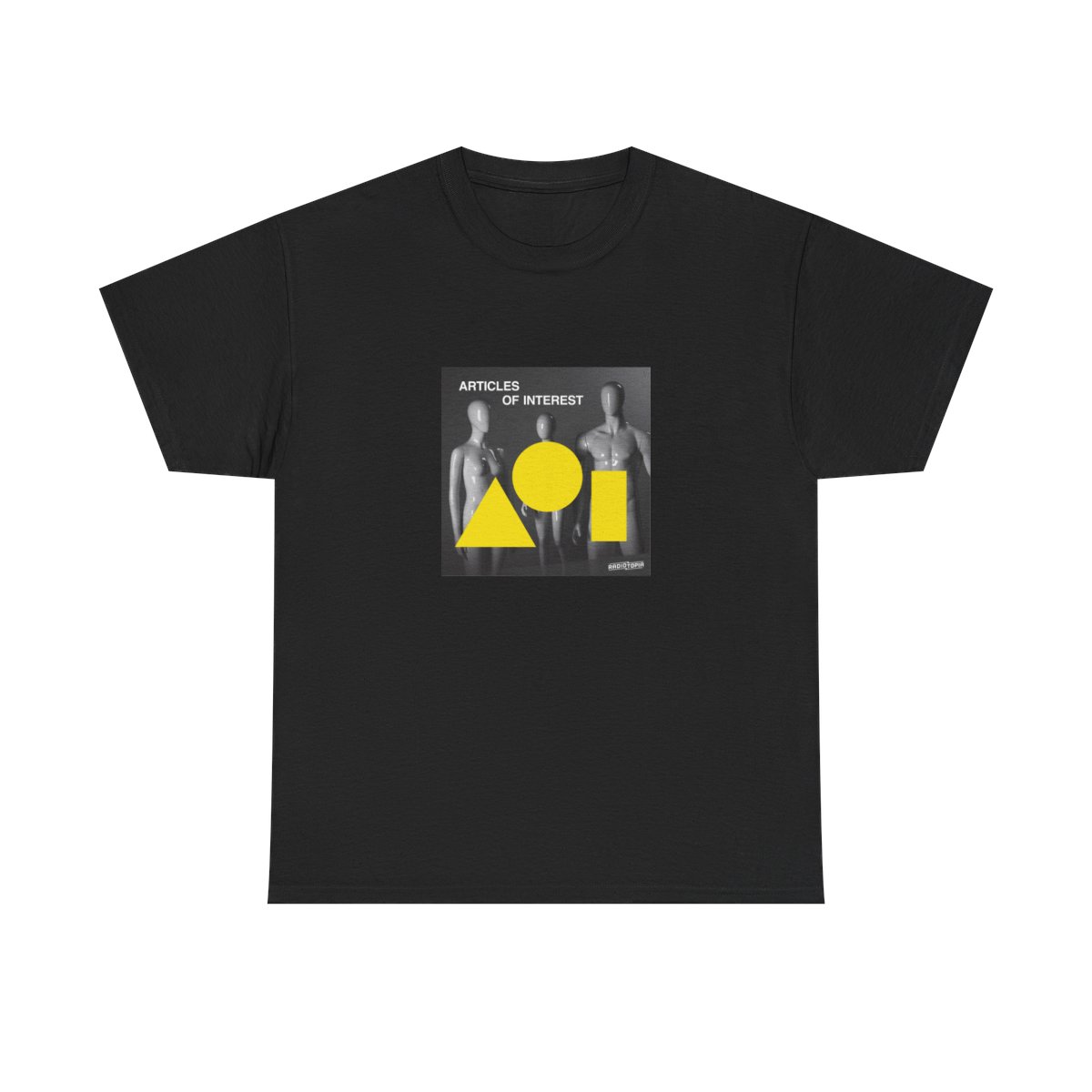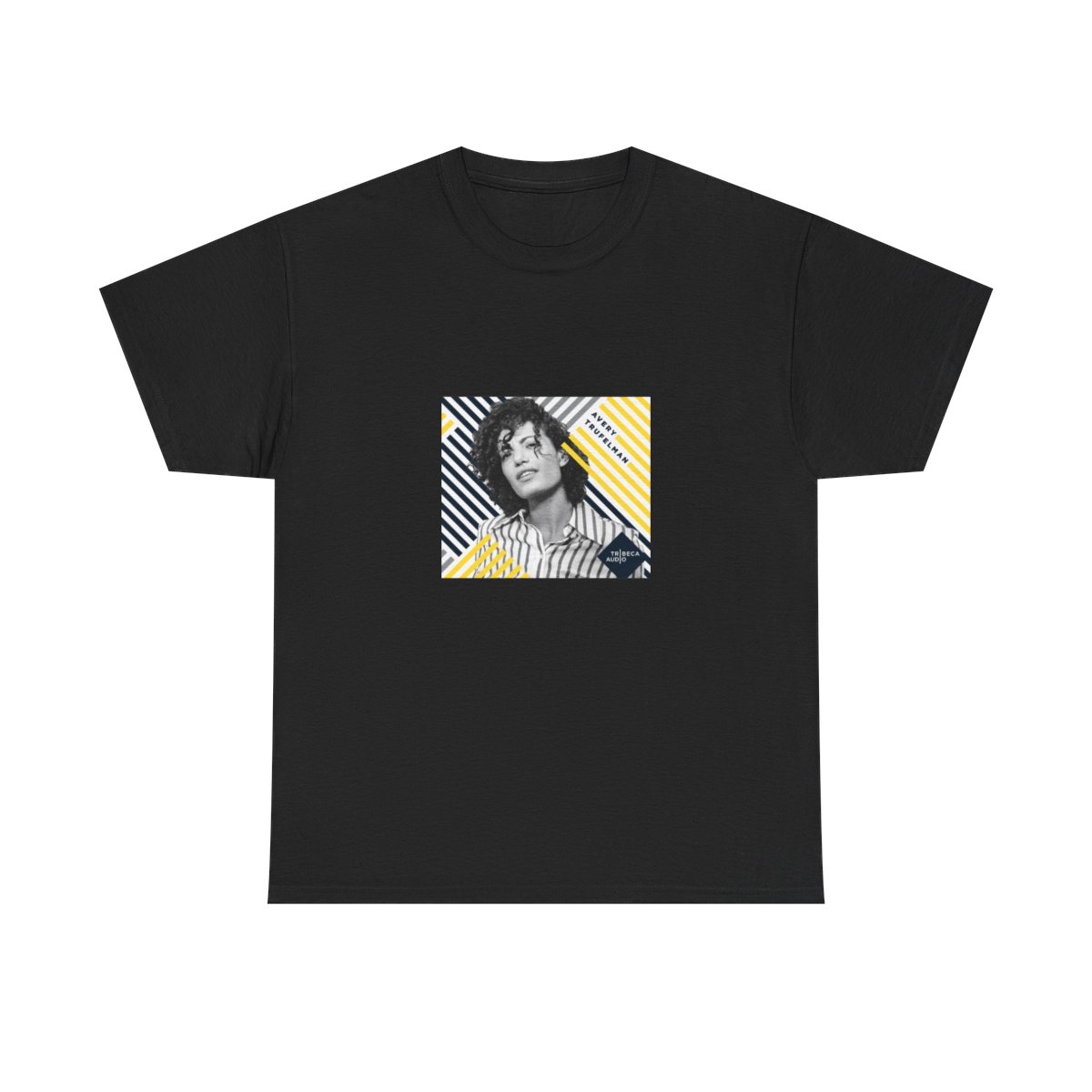
You're standing in front of your closet, holding your favorite Articles of Interest articles of interest merch store hoodie. It's soft, perfectly worn in, and printed with a design that only true fashion history nerds will recognize. But something feels off. Pair it with jeans and sneakers? Too predictable. You want an outfit that tells a story - one that blends the archival references in your merch with actual vintage pieces that have their own history. That's exactly what this guide will help you do. By the end, you'll know how to mix vintage finds with your Articles of Interest gear to create looks that are personal, intentional, and anything but ordinary. These Articles of Interest styling tips go beyond basic outfit formulas - they tap into the same spirit of discovery that makes the brand's subject matter so compelling.
How to pair vintage finds with Articles of Interest merch
Learn how to blend vintage finds with your Articles of Interest merch to create unique, fashion-forward outfits that celebrate fashion history.
Why vintage and modern merge for fashion history fans
The appeal of Articles of Interest lies in its deep dives into fashion's past - the forgotten designers, the subcultural movements, the garments that changed how we dress. Wearing the merch is a nod to that curiosity. Vintage clothing is the physical extension of that same impulse. When you pair a 1970s Pendleton wool shirt with an Articles of Interest apparel collection, you're not just layering fabric - you're layering narratives. The vintage piece carries the wear of decades; the merch carries the weight of research. Together, they create a conversation about how style evolves.
This approach also solves a practical problem: making merch feel less like a concert souvenir and more like a considered part of your wardrobe. A study by ThredUp found that 40% of consumers now prioritize longevity over trendiness. By mixing vintage with modern prints, you extend the life of both - the vintage piece gets a new context, and the merch gets grounded in something timeless. For fashion history fans, this combination feels natural because it mirrors how style actually works: building on the past.
Why not just wear all vintage?
Pure vintage head-to-toe can feel costumey or fragile. A 1950s full skirt might be museum-worthy, but impractical for daily wear. Articles of Interest merch provides a bridge - it's contemporary in fit and fabric but references the same eras you're drawn to. The contrast makes each piece stand out more. A 1980s oversized blazer over a fitted Articles of Interest articles of interest merch store tee reads as intentional, not accidental.
Best vintage items to complement your Articles of Interest hoodie
Your hoodie is likely the most-worn piece from the collection. It's comfortable, slightly oversized, and features a design that rewards close inspection. Here are the vintage staples that work best with it:
- Vintage denim jackets (pre-1990s): A worn-in Levi's jacket from the 70s or 80s adds texture and a second layer without hiding the hoodie posters & wall art collection. Look for a jacket that's slightly faded - the contrast between raw denim and a soft hoodie creates visual interest. Pro tip: size up so it fits loosely over the hoodie.
- Corduroy trousers (1970s): Wide-leg corduroys in earth tones like rust, olive, or ochre echo the color palettes of the fashion eras Articles of Interest covers. They also balance the casual nature of a hoodie with a more structured bottom. I've found that a 1975 pair with a 28-inch inseam hits just right for a cropped look.
- Vintage silk scarves (1960s-80s): Tie one around your neck, knot it to your bags & totes collection strap, or use it as a headband. The contrast of luxurious silk against cotton jersey feels elevated. Look for geometric or floral patterns that don't compete with your hoodie's graphic.
- Leather belts (1960s-70s): A wide leather belt worn over a hoodie (if it's thin enough) or at your natural waist with high-waisted trousers pulls the look together. Vintage belts have character - brass buckles age beautifully.
The one item to skip: vintage sweaters with busy patterns
A vintage Fair Isle or argyle sweater can clash with the typography or imagery on your hoodie. Instead, use solid-color sweaters as a base layer under a vintage blazer. Save intricate patterns for when your merch is simpler.
Where to source authentic vintage pieces
Not all vintage is created equal. For the best results, you want items with provenance - pieces that genuinely reflect their era. Here are the most reliable sources, ranked by reliability:
1. Local thrift stores in affluent neighborhoods. In my experience, donations from older residents in higher-income areas yield 60s and 70s pieces that have been stored properly. I once found a pristine 1972 Pendleton wool shirt for $12 in a Seattle thrift. Pro tip: visit on Tuesday mornings after weekend donations are sorted.
2. Estate sales. These are goldmines because you see the whole wardrobe of one person. You get context - how someone lived and dressed. Websites like EstateSales.net let you preview photos. Look for sales that mention "vintage" or "mid-century" and go on the first day.
3. Instagram and Depop sellers with niche curation. Follow accounts that specialize in your era - @70swardrobe or @deadstock90s. They often source from the same places you would but have an eye for the pieces that pair well with graphic tees. Ask them for measurements before buying.
4. Vintage markets and fairs. The best are annual events like the Rose Bowl Flea Market or the Vintage Fashion Expo. Bring cash and arrive early. A common mistake is buying something that doesn't fit just because it's cheap. If it's too small, skip it - tailoring vintage can cost more than the item itself.
Red flags to watch for
- Faded tags: If the care label is illegible, the item might be a reproduction, not true vintage.
- Overly stiff fabric: Original denim from the 70s softens naturally. If it feels rough, it may have been stored improperly.
- Prices under $10 for premium brands: If a Pendleton shirt is $8, check for stains or damage.
Outfit ideas for everyday wear
Here are three complete outfits that blend your Articles of Interest merch with vintage finds. Each works for different settings - from coffee shops to casual creative meetings.
Outfit 1: The Archivist
- Top: Articles of Interest tee (tucked in)
- Bottom: 1970s high-waisted wide-leg corduroys in mustard yellow
- Outer layer: Vintage olive military surplus jacket (M-65 style)
- Footwear: Brown leather loafers (vintage or repro)
- accessories collection: Thin vintage belt (brass buckle) to define the waist
This outfit works because the military jacket's neutral olive grounds the colorful corduroys and lets the tee's print be the focal point. The tucked tee shows off the belt. I've worn this to a lecture and got three compliments on the trousers alone.
Outfit 2: The Researcher
- Top: Articles of Interest hoodie
- Bottom: 1980s straight-leg Levi's jeans (medium wash, no distressing)
- Outer layer: Vintage denim jacket (one size up, worn open)
- Footwear: White canvas sneakers (like Converse or Keds)
- Accessory: Vintage silk scarf tied around the hoodie drawstrings
The denim-on-denim can look monotonous, but the hoodie's graphic breaks it up. The scarf adds a pop of pattern and shows you paid attention to detail. This is perfect for a day of browsing record stores or attending a talk.
Outfit 3: The Lecturer
- Top: Articles of Interest tee (untucked)
- Bottom: 1960s knife-pleat wool skirt in charcoal grey
- Outer layer: Vintage camel hair blazer (slightly oversized)
- Footwear: Black leather ankle boots
- Accessory: Vintage brooch pinned to the blazer lapel
This combines a traditionally feminine skirt with a casual tee - a hallmark of 90s styling that feels current again. The wool skirt moves well and contrasts with the soft cotton of the tee. Ideal for a panel discussion or dinner out.
Common mistake: ignoring proportions
If you're wearing wide-leg trousers, balance them with a fitted top - the opposite of the 80s rule. With a loose hoodie, pair it with slimmer bottoms like straight-leg jeans or a pencil skirt. The goal is one statement piece per outfit.
Pro tips from the community
I reached out to a few regulars at the Articles of Interest Discord server to get their best tips for sourcing and styling. Here's what they shared:
- Check the inside seams. User @vintage_dweller says: "If a vintage jacket has double-stitched seams with contrasting thread, it's almost always 70s. That extra detail pairs perfectly with modern merch because it shows the same attention to construction." Look for this when shopping - it's a mark of quality.
- Treat your finds like artifacts. Anne, a museum conservator and fan, recommends storing vintage silk away from direct sunlight. "A $5 scarf can fade in a month if hung near a window. That ruins the vintage vibe." She uses acid-free tissue paper for folding.
- Verify the era through labels. User @fashion_history_nut points out that union labels on clothing - small tags with a number inside a circle - can pinpoint a garment to a specific decade. Union Local 89 numbers, for example, were used by ILGWU in the 60s. Look these up on a site like Vintage Fashion Guild.
- Shop by hand feel. "Vintage cotton feels different - it's denser, with a tighter weave," says @textile_junkie. "If you find a vintage button-down, hold it up to the light. If you can't see through it, it's probably pre-80s." That density means it will hold up to repeated wear with your merch.
FAQ
What is the best way to wash vintage clothing before wearing it with my Articles of Interest merch?
Hand wash delicate items in cold water with a gentle detergent. For sturdy pieces like denim, machine wash on cold and air dry. Always test a small area for colorfastness first.How do I know if a vintage piece is authentic and not a reproduction?
Check the tags - authentic vintage has tags made of cotton or rubber, not plastic. Look for union labels, which were phased out in the 80s. Reproductions often have modern font tags or made-in-China labels.Can I wear vintage with my hoodie if the weather is hot?
Yes. Use a vintage silk scarf as a headband or tied around your wrist. A vintage cotton shirt worn open over a tee works for mild weather. Avoid heavy wool or lined jackets.Where should I start if I am new to vintage shopping?
Start with accessories - belts, scarves, bags. They are easier to size and carry less risk. A vintage leather belt instantly elevates any outfit with your merch.How do I style a vintage blazer without looking like I am wearing a costume?
Keep the rest of the outfit modern. Pair the blazer with your Articles of Interest tee and straight-leg jeans. The contrast makes it clear you are making a style choice, not just wearing an old jacket.Key Takeaways
- Mixing vintage with Articles of Interest merch creates layered narratives that reflect the brand's fashion history focus.
- Best vintage items for hoodies: denim jackets, corduroy trousers, silk scarves, and leather belts.
- Source authentic vintage from estate sales and local thrifts in affluent areas - check for union labels.
- Balance proportions: one oversized piece per outfit, and contrast textures like wool against cotton.
- Treat vintage items with care - hand wash delicate fabrics and store silk away from sunlight. - -
Alex Rivera is a creator economy strategist with 10+ years in print-on-demand and merch design. He has helped dozens of brands build sustainable product lines by combining archival research with modern production methods. When not testing new styling combinations, he can be found digging through estate sales for 70s outerwear.
Related Posts
5 Ways to Layer Your Articles of Interest Classic T-Shirt for Back to School
Learn 5 smart ways to layer the Articles of Interest Classic T-Shirt for back-to-school outfits that...
undefinedTop Articles of Interest Merch for Library Study Sessions in 2026
Discover the best Articles of Interest merch for library study sessions. From quiet mugs to cozy hoo...
undefinedArticles of Interest T-Shirt Care: Keep Your Design Looking New
Learn how to keep your Articles of Interest Classic T-Shirt looking fresh with care tips, and discov...
Shop Articles of Interest Merch
Official merchandise — premium quality, designed for the community.