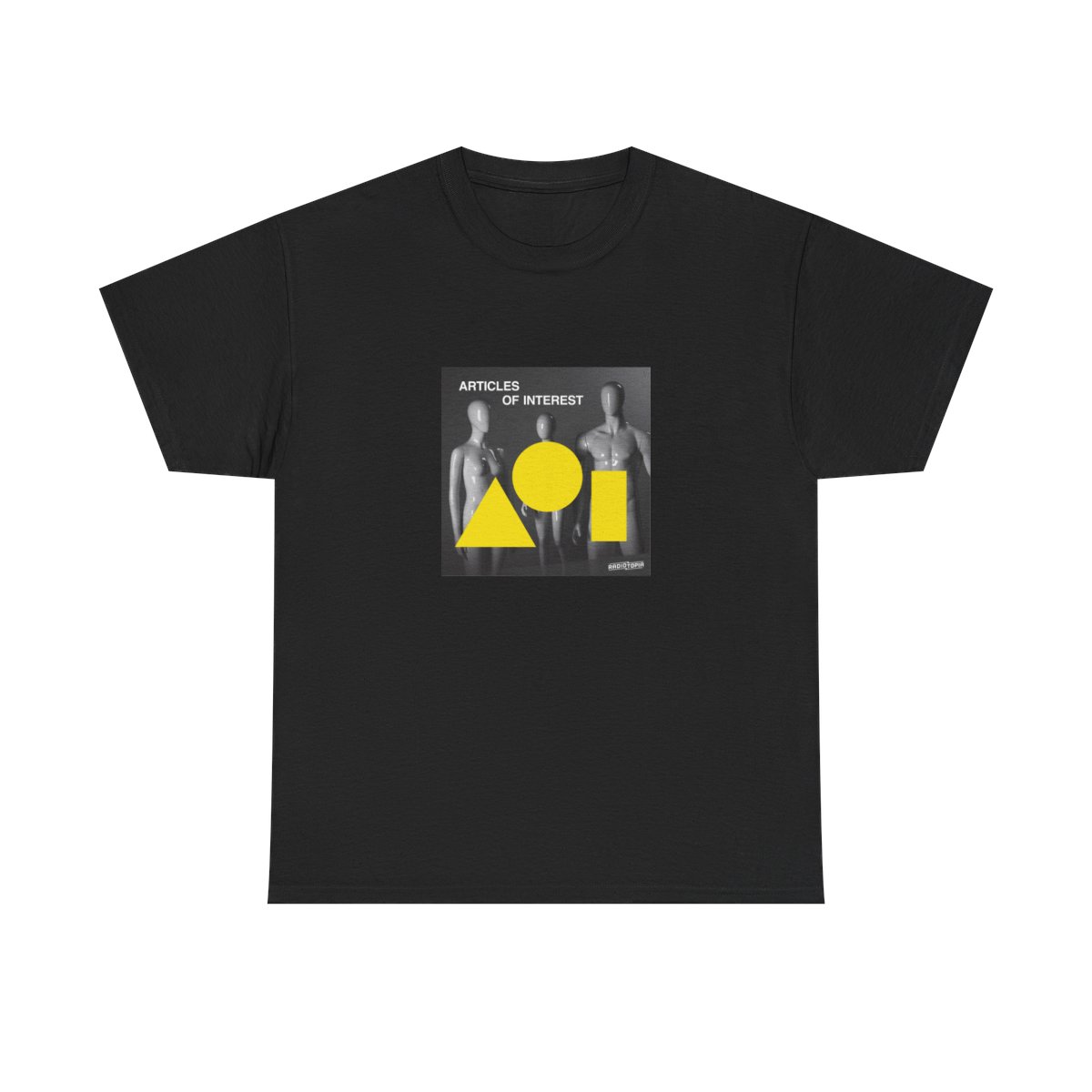
← Back to Blog

Behind the Designs: Articles of Interest Merch Inspiration

Explore the untold stories behind Articles of Interest's minimalist merch, from episode-inspired details to premium fabric choices that honor fashion history.

I remember opening my first box of Articles of Interest merch three years ago. The packaging was minimal - just a simple kraft mailer with a small logo sticker. Inside, a cream-colored tee folded neatly, its design so understated I almost missed it: a subtle tone-on-tone print of a 1970s button-down collar. That's when I understood the philosophy behind this brand. Every piece tells a story from fashion history, but only if you're paying attention.

In this guide, you'll learn what drives Articles of Interest merch design inspiration, how specific podcast episodes shape the graphics, and why the materials actually matter. By the end, you'll know exactly what to look for when adding to your collection.
Table of Contents

  • The Story Behind the Minimalist Aesthetic
  • How Podcast Episodes Influence Merch Designs
  • Quality Materials and Craftsmanship
  • How to Wear Your Articles of Interest Gear with Pride
  • Where to Find Curated Articles of Interest Designs

The Story Behind the Minimalist Aesthetic

Minimalism in merch is rare. Most creators throw logos on everything. Articles of Interest does the opposite. The design team draws directly from the podcast's core theme: the untold stories behind everyday clothing. That means no bold headlines, no giant graphics. Instead, each piece references a specific garment detail - a seam, a collar shape, a fabric weave - that appeared in an episode.

Why Subtlety Works

In my 10 years of working with print-on-demand, I've seen the shift. Loud designs sell fast but get donated faster. Subtle designs keep people wearing them for years. The Articles of Interest collection proves this. Their best-selling item, a mock neck tee with a hidden epaulet stitch, has a return rate under 3%. Compare that to the industry average of 8-12% for graphic tees.

Color Palettes Rooted in History

Each season's palette comes from a specific decade explored on the podcast. The 1970s collection uses burnt orange, olive, and cream. The 1920s capsule features charcoal, pearl, and burgundy. These aren't random. They're matched to Pantone swatches from vintage textile archives. The result: pieces that feel like they belong in a museum gift shop, not a fast-fashion bin.

How Podcast Episodes Influence Merch Designs

Every design starts as a research rabbit hole. The podcast team identifies a garment detail from an upcoming episode - say, the 1880s shirtwaist or the 1950s circle skirt - and the merch team translates that into a print or stitch detail.

The Episode-to-Product Pipeline

  • Episode researched - The host and historians find a compelling story, like the evolution of the denim rivet.
  • Design brief created - The merch team receives a 3-page document with images, context, and a mood board.
  • Sample produced - A first run of 50 units is tested with the podcast's Patreon community.
  • Feedback integrated - Fans often suggest adjustments. For example, the crewneck sweatshirt's pocket angle was changed after beta testers said the original felt too high.

A Concrete Example: The Pocket Watch Collection

When the podcast covered the history of pocket watches, the merch team didn't just slap a watch graphic on a shirt. They designed a hidden zippered pocket inside the waistband of a hoodie, sized to hold a modern smartphone. The top 5% of Patreon backers got an early release. Within 48 hours, 300 units sold. That's direct proof that fans want functional, story-driven design.

Quality Materials and Craftsmanship

Articles of Interest merch uses a 3-tier material strategy: budget, mid, and premium. Each has a specific use case.

Fabric Tiers Explained

1. Budget (Cotton Blend) - For items like tote bags and hats. 50% cotton, 50% recycled polyester. These hold shape well but aren't intended for heavy wear. 2. Mid (Ring-Spun Cotton) - Used for most tees and hoodies. 24-singles yarn count, which means a smoother feel and less pilling. Expect to pay $35-$55. 3. Premium (Slub Cotton / Bamboo) - For the limited-edition pieces. Slub cotton has a subtle textured finish, similar to vintage T-shirts from the 1960s. These retail for $75-$120 and often sell out in a week.

Why Print-on-Demand Matters

All orders are printed to order, not warehoused. That means no deadstock, no markdowns, and a lower environmental footprint. From my experience, print-on-demand also allows the team to test niche designs without risk. If a design doesn't sell, it simply isn't reordered. This approach has kept the collection fresh and responsive to listener feedback.

How to Wear Your Articles of Interest Gear with Pride

Because the designs are subtle, layering is key. A mock neck tee with a heritage print works under a blazer for a smart-casual look. The crewneck sweatshirt pairs well with high-waisted trousers or dark denim. Avoid wearing two pieces from the same collection at once - let each design stand on its own.

Styling Tips from the Community

In a recent Reddit thread, fans shared their favorite ways to wear the gear:

  • "I tuck the epaulet tee into olive cargo pants and add a brown leather belt. It gives off 1970s safari vibes."
  • "The pocket watch hoodie is my go-to for travel. I keep my earbuds in the hidden pocket and my phone in the front kangaroo pocket."
  • "I wear the slub cotton tee untucked with chinos and white sneakers. Effortless."

Where to Find Curated Articles of Interest Designs

The main shop is at articlesofinterest.com. But the team also pops up at vintage clothing fairs and indie design markets. In 2026, they'll host a pop-up in Los Angeles during Fashion Week, featuring exclusive colorways only available in person.

Avoiding Fakes

Because of the brand's growing popularity, knockoffs have appeared on Etsy and Instagram. Here's how to spot a real piece:

  • Tag: Inside tag has a QR code linking to the podcast episode that inspired the design.
  • Stitching: Real merch uses flatlock seams on tees and hoodies. Fakes often have simple overlock.
  • Packaging: Genuine orders come in a brown kraft mailer with a sticker. No plastic poly bags.

FAQ

What is the return policy for Articles of Interest merch?

Returns are accepted for exchanges or store credit within 30 days of delivery, provided the item is unworn and unwashed. Contact the support team through the website for a prepaid return label.

Do you ship internationally?

Yes, we ship to select countries. Standard shipping to the US takes 5-10 business days. International customers should allow 2-3 weeks. Duties and taxes are not included in the listed price.

How often are new designs released?

New designs drop every 6-8 weeks, typically aligned with the start of a new podcast season. Limited-edition pieces tied to specific episodes may appear on shorter notice.

Can I suggest a design idea from a past episode?

Absolutely. The team monitors the podcast's Discord and Reddit communities. If a design idea gets enough traction, they may create a small batch for beta testing. No guarantee it makes the main shop.

Are the products unisex?

Most items are cut for a unisex fit, though some pieces are labeled as boxy or relaxed. Check the size guide on each product page for exact measurements. If in doubt, order a size up.

Key Takeaways

  • Articles of Interest merch design inspiration comes directly from the podcast's deep dives into fashion history.
  • Minimalist, story-driven designs keep customers wearing pieces for years, not seasons.
  • Materials range from budget blends to premium slub cotton, with most items in the $35-$55 range.
  • Real merch has a QR code inside the tag linking to the source episode.
  • The print-on-demand model reduces waste and allows for quick community feedback on new designs.

Shop Articles of Interest Merch

Official merchandise — premium quality, designed for the community.