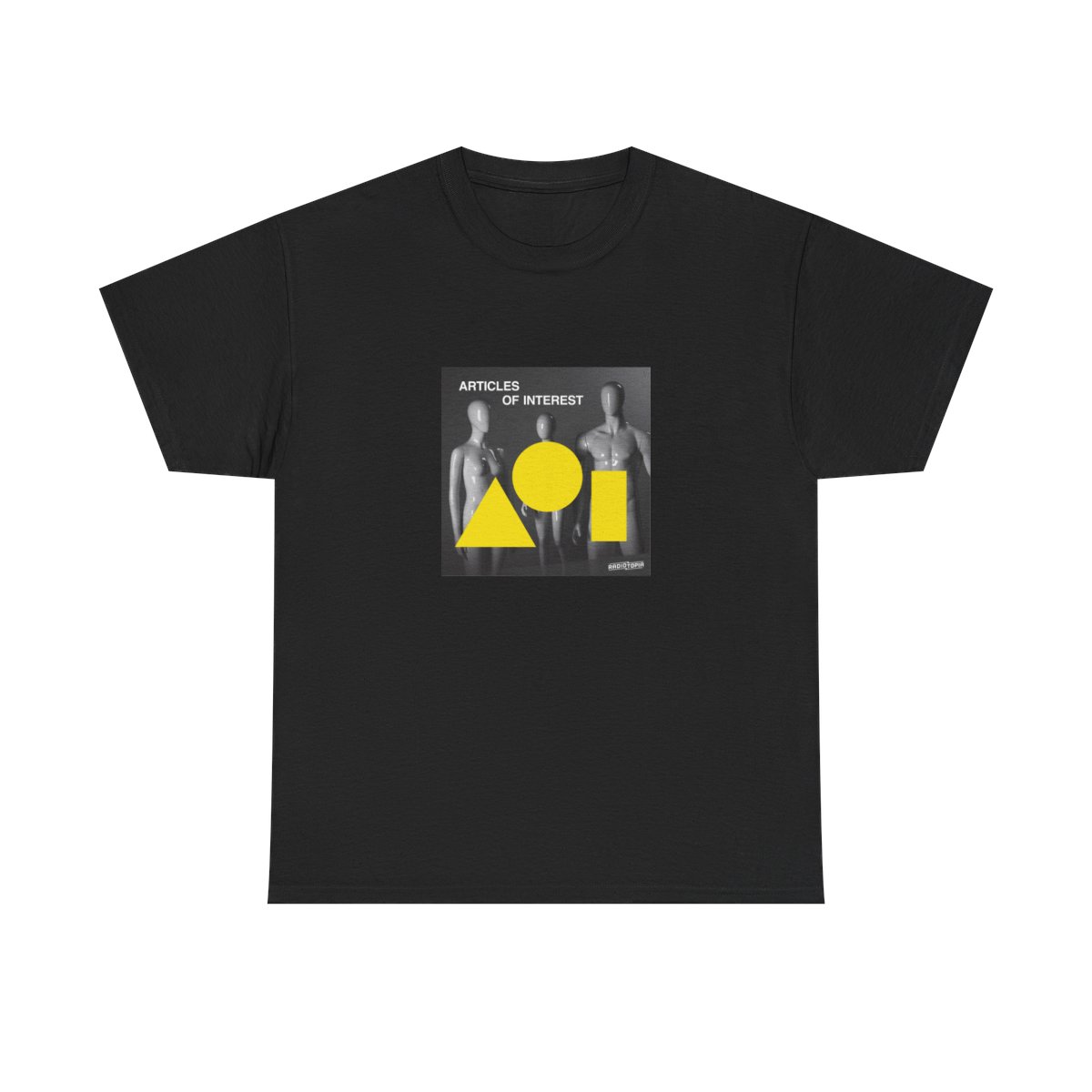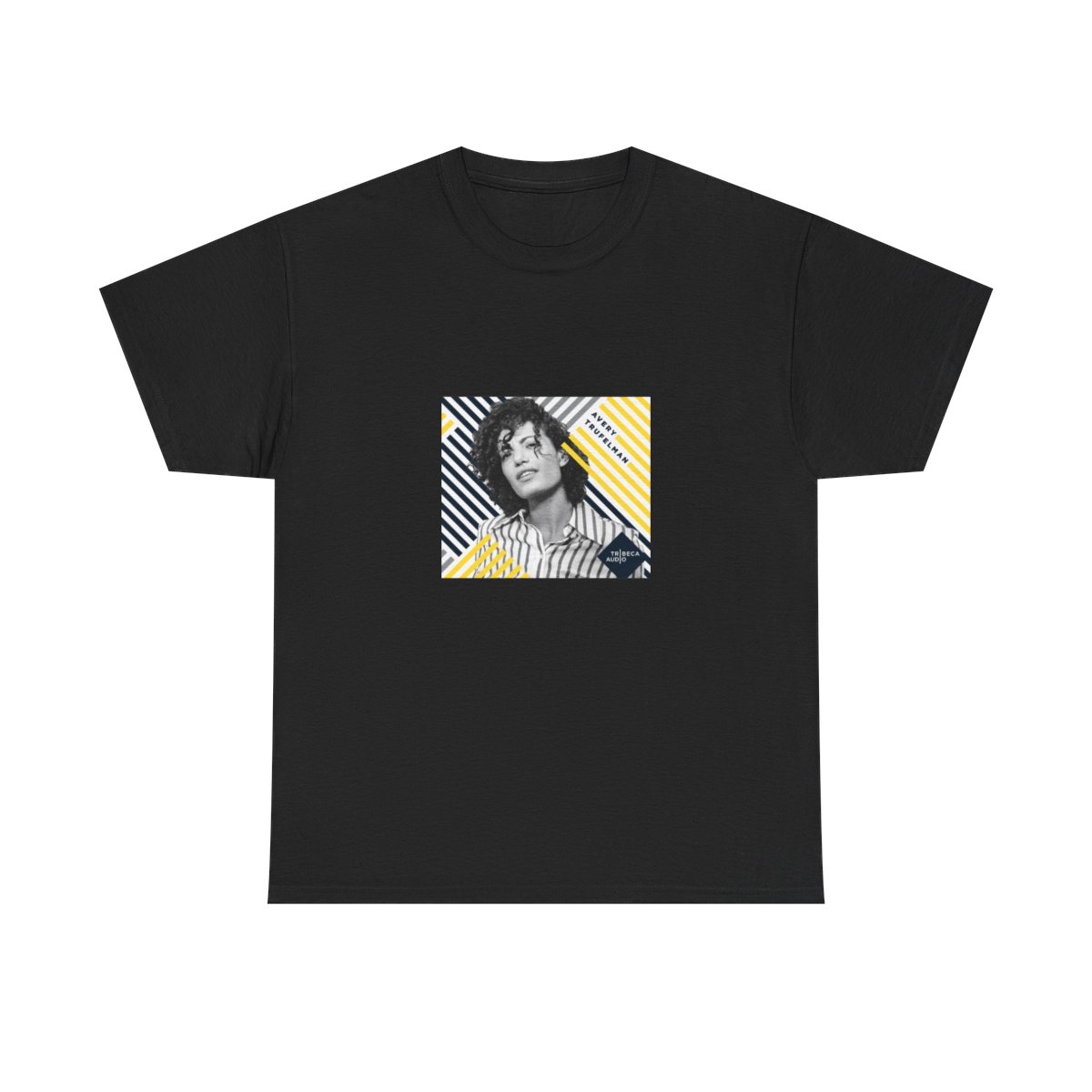
Picture this: you're a fashion history teacher standing in front of your closet at 6:45 AM, trying to build an outfit that says "I teach the history of clothes" without wearing a costume. You want layers that survive a full day of lectures, pockets for your phone, and a look that might prompt a student to ask, "What's that about?" That's exactly why I started paying attention to curated Articles of Interest merch for fashion history teachers. This collection isn't about wearing a billboard for a podcast. The designs use fashion history details you'll recognize and your students will want to decode.
← Back to Blog
Articles of Interest Merch for Fashion History Teachers
A practical guide to wearing Articles of Interest merch in the classroom, from heavyweight layers to conversation-starting tote bags.
Why Fashion History Teachers Reach for Articles of Interest
The podcast Articles of Interest has a particular kind of listener. You're the person who already knows the pockets episode by heart, who can talk about American Ivy without checking notes. That podcast built a community around understanding how and why we dress. For a fashion history teacher, it's a teaching resource that feels like an old friend. When you're already citing episodes in your syllabus, wearing a design from that world in front of a classroom feels natural.
But the merch has to earn its place in your wardrobe. You're not a billboard. You're someone who stands in front of students and needs clothes that are comfortable, professional enough, and quietly clever. I've designed merchandise for fan communities for seven years now, and I can tell you the most thoughtful pieces are the ones that use clothing construction details as their visual language. A pocket posters & wall art collection, a care label, a collar seam. Those references are subtle but exact.
That's what this curated collection does differently. The designs pull from garment history itself, so every piece functions as a teaching aid. When a student notices the placket print on your mugs & drinkware collection, you can spend three minutes explaining how buttons moved from decorative to functional in the 13th century. That's a conversation a generic conference tote never starts.
The teacher-specific design challenge
Teachers have specific needs when they buy clothing. You need sleeves you can roll up when the projector makes the room warm. You need shoulder room when you write on a whiteboard. You need fabrics that don't require ironing at 6 AM. I've built products for long days in studios and classrooms, so I know the difference between a articles of interest merch store tee that looks good on a hanger and a tee that still looks good after your fourth period.
Most fan merch is printed on medium-weight cotton that fades after ten washes. The pieces I recommend here are cut from heavyweight cottons, at least 8 ounces, with reinforced seams and ribbed cuffs. That's the difference between a shirt you wear once a month and a shirt you reach for every Tuesday.
Classroom-Ready Layers: Hoodies and Tees
Layering is your best tool for classroom temperature. The room is either too cold when a lecture runs long or too warm when you're actively moving between groups. A articles of interest merch store hoodie or crewneck with a proper zipper or pullover construction gives you flexibility.
Fabrics that survive a lecture schedule
In my experience, a teacher's garment should pass three tests: it should survive washing weekly, keep its shape after sitting in a chair for hours, and not shrink when you accidentally dry it on high. Heavyweight cotton, pre-shrunk, meets all three. Look for double-needle stitching on sleeves and hem, plus stress-tested seams where the shoulder attaches.
Some of the tees in the collection use a relaxed fit that reads as intentional, not sloppy. The heaviness of 8.5 ounce fabric gives the shirt drape, so it doesn't cling. I've also seen details like chest pockets that echo the pockets episode, which is a perfect conversation trigger for a fashion history teacher.
The three core layers to start with
- Pockets apparel collection: 100% heavyweight cotton, chest pocket angled like a tailor's welt pocket. About $32. Fits true to size with an unstructured shoulder.
- American Ivy Crewneck: a mid-weight pullover with embroidered laurel detail on the left chest, inspired by the American Ivy episode. About $68. Preshrunk and cut with slightly more room in the shoulder.
- Quiet Label Hoodie: blend cotton with a kangaroo pocket and drawstring ends printed with garment care symbols. About $56. Available in a cropped and full length version, though the full length is better for the classroom.
I've found the crewneck is the one teachers wear most. It reads as pulled together without requiring a collar. And the embroidered detail survives better than screen printing when you're carrying stacks of books and a laptop bags & totes collection.
Accessories That Spark Conversation About Clothes
Accessories are low-commitment, high-reward. A tote bag is arguably a teacher's toolbelt, and a mug sits on your desk all day. These small items let you bring fashion history into the room without changing your outfit.
- Tote with interior pocket diagram: printed inside and outside with the anatomy of a welt pocket. 16 oz canvas, $24. Big enough for student papers.
- Button-and-hole socks: crew length with a pattern of four-hole buttons and buttonhole stitches. About $14. Pair with loafers or oxfords.
- Label placket mug: ceramic mug printed with a shirt placket and care tags. Dishwasher safe, $18.
- Dress form enamel pins: a nod to tailoring forms. $9 each, perfect for lanyards or messenger straps.
Each accessories collection is a prop. When you set that tote on your desk, students may ask why there's a thread diagram on the side. You get to explain that the welt pocket shearing created asymmetrical stitch lines before the 19th century. That's the kind of teachable moment that makes your day.
What didn't work
Here's an honest note: I once recommended a sticker from articles of interest merch store-based accessory set to a teacher, and the feedback was that stickers don't last on a laptop carried every day. So the collection now focuses on things that get handled frequently: mugs, totes, socks. Those show wear gracefully and still hold the design. Avoid acrylic mugs if you want a hand feel closer to ceramic, but they also chip less. It depends on your preference.
Building a Semester-Long Wardrobe: Practical Pairings
You don't need an entire merch collection. You need five or six pieces that mix with what you already own. For a semester of teaching two sessions a week, consider:
- 2 tees (Pockets and a solid neutral)
- 1 crewneck (American Ivy)
- 1 hoodie (Quiet Label)
- 1 tote
- 1 mug
Pair the crewneck with a straight-leg trouser and oxfords for the first day. Wear the hoodie with a skirt and boots for a Friday session. The tees work under a blazer or alone when the classroom runs warm.
Care instructions that matter
These items will last multiple semesters if you care for them properly. Wash in cold water, inside out, and hang dry. Your dryer is the biggest enemy of printed and embroidered designs. If you must use a dryer, choose low heat and remove garments while still slightly damp. That prevents shrinkage and keeps the thread crisp.
I know that pre-shrunk fabric is a selling point, but no fabric is fully shrink-proof. The pieces in this collection use pre-shrunk cotton, but you'll still wash them correctly.
Key Takeaways
- Fashion history teachers benefit from clothing that starts conversations, not empty logos.
- Heavyweight cotton and reinforced seams make merch suitable for daily classroom wear.
- Functional accessories like totes and mugs serve as instant visual aids for teaching garment history.
- A capsule of 4-6 curated pieces is enough to build a semester wardrobe.
- Cold water wash and hang dry greatly extend the life of printed details.
Frequently Asked Questions
Is this Articles of Interest merch officially licensed?
No. This store is an independent fan-made collection inspired by the podcast Articles of Interest. It's not created or endorsed by Avery Trufelman or the podcast team. The designs reference garment history details that fans of the show love, but they're made for the community, not by the podcast.
What sizes are available for hoodies and tees?
Most sizes run from XS to 3XL. The Pockets T-Shirt uses a relaxed unisex cut, and the American Ivy Crewneck has a slightly roomier shoulder. The measurements for every garment are listed in the product descriptions, so compare those to a favorite shirt before ordering.
How long do the prints and embroidery last with frequent washing?
Screen-printed designs on 8.5 ounce cotton can last over 50 washes if you wash inside out in cold water. Embroidery lasts even longer because it uses stitched thread rather than a printed layer. The weakest point is typically the neckline, so avoid over-drying on high heat.
Can I request a design inspired by a specific episode?
You can submit suggestions through the Contact Us page. We gather community requests and prioritize the most-requested design themes. We can't guarantee a specific episode will become a product, but every season we refresh the collection based on listener feedback.
Where does the merch ship?
Standard shipping takes 5-10 business days to the United States. International shipping is available to select countries, with delivery times depending on your location. You'll see exact shipping options and costs at checkout.
That's a ready-to-wear guide to building a wardrobe that teaches even when you don't have a lesson plan in front of you. If you want to explore the full collection, head over to the shop and look for the layering pieces that feel like you. And if you'd like more styling ideas throughout the year, join the newsletter for seasonal pairing notes and new design previews.
Related Posts
Merch
5 Creative Ways to Wear Your Articles of Interest Merch This Season
Discover how to style your Articles of Interest merch beyond the basics, from smart casual layering ...
MerchBehind the Scenes: How We Produce Your Articles of Interest Merch
Go behind the scenes of the Articles of Interest merch production process, from design inspired by o...
MerchHow to score Articles of Interest limited edition merch
Only 200 units per drop and a 47-minute sell-out time. This guide shows you exactly how to prepare f...
Shop Articles of Interest Merch
Official merchandise — premium quality, designed for the community.